Last updated: July 2026
If you are asking yourself "do I need a new roof", the honest answer usually comes down to a handful of signs you can learn to read yourself. Most homeowners who ring us fearing the worst actually need a targeted repair, not a full replacement. A smaller number have left things too long, and no amount of patching will hold. This guide separates the two so you walk into any quote knowing roughly where your roof stands, rather than taking a stranger's word for it.
The Honest Signs You Need a New Roof
A roof rarely fails all at once. It ages in stages, and by the time several warning signs are showing together, the structure is telling you its working life is over. One slipped slate is a repair. A whole slope of them, on a roof that is already decades old, is a different conversation. The trick is knowing which signs are isolated faults and which point to a roof that has reached the end.
Below are the signs that, when they stack up, genuinely suggest replacement rather than repair. Seeing one on its own is not a crisis. Seeing four or five together, especially on an older roof, is your roof asking to be retired.
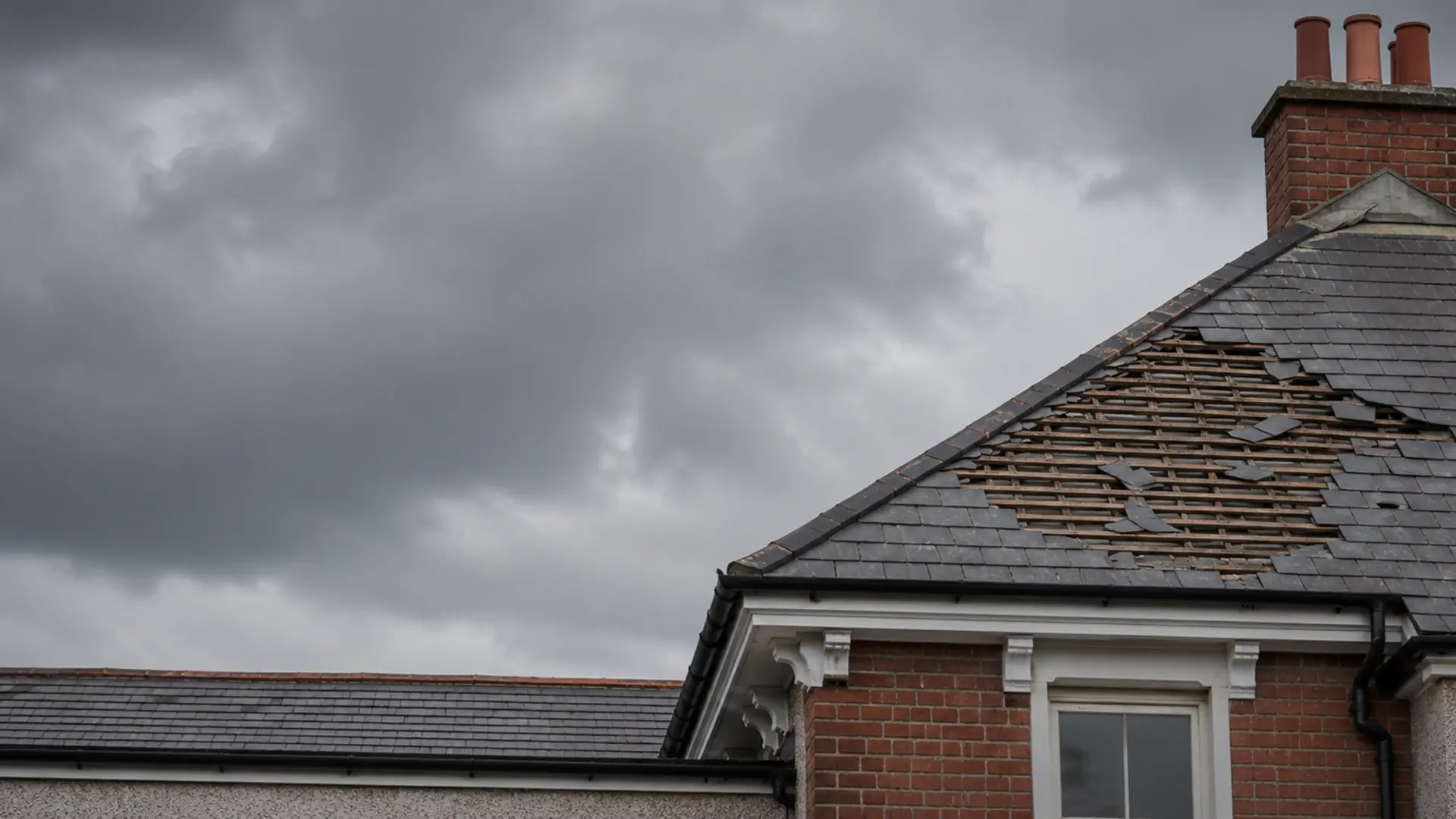
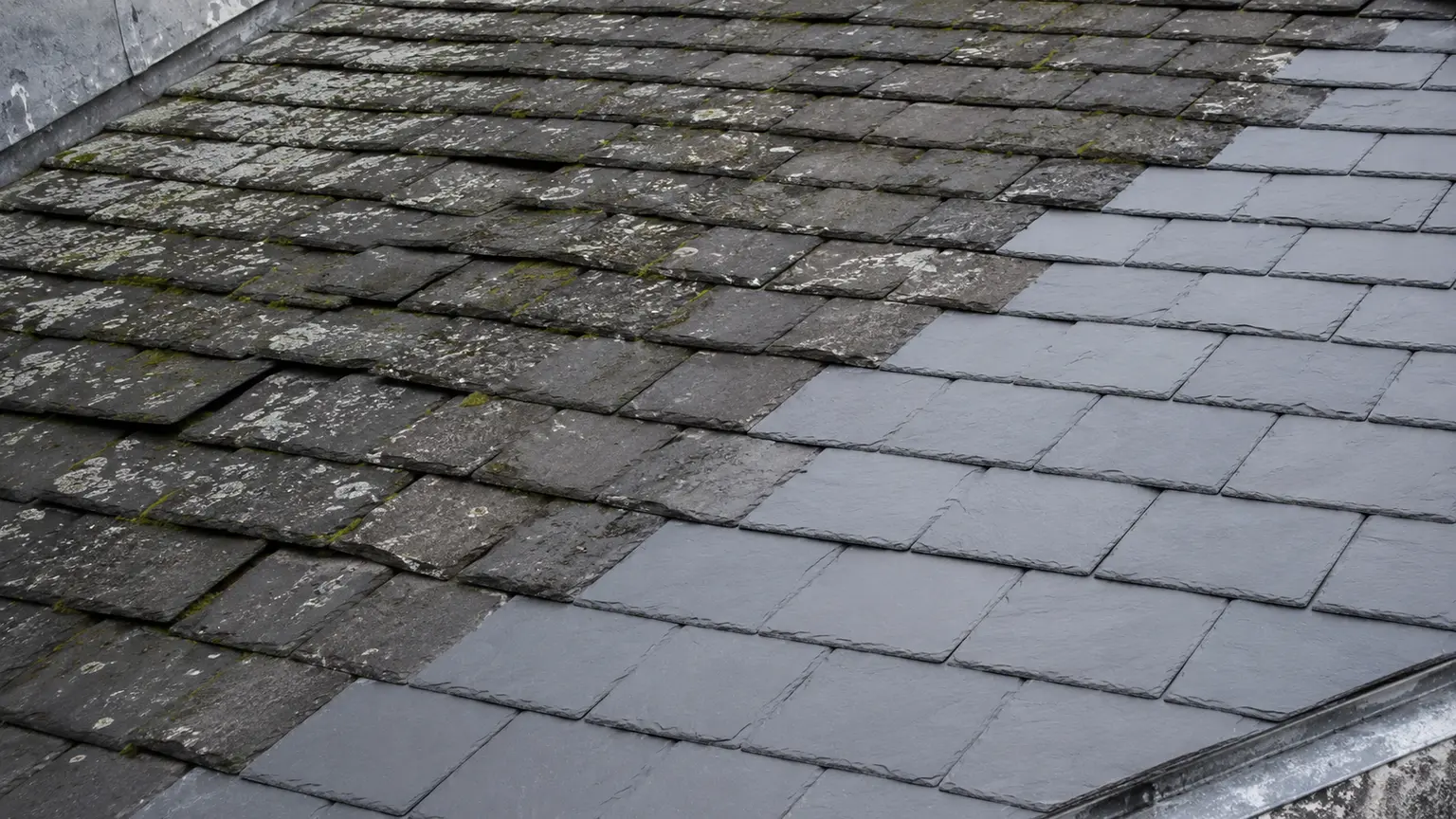
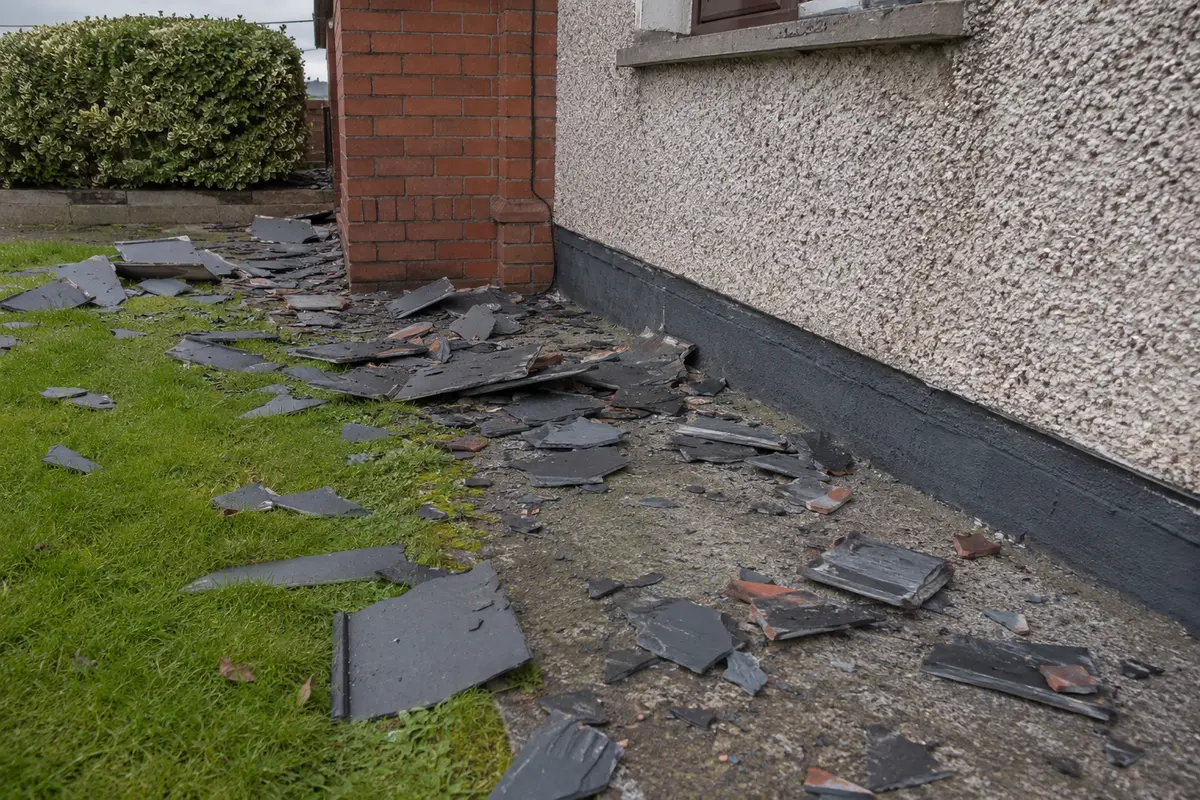
- Widespread slipped, cracked or missing slates and tiles across the whole roof, not just one patch. Once a covering starts shedding in several places, the nails and battens holding the rest are usually going the same way.
- A sagging or dipping roofline. A ridge that visibly bows, or a slope that looks like a shallow hammock, points to a problem in the timbers underneath, not just the covering on top.
- Daylight coming through in the attic. If you can see pinpricks of light through the roof on a bright day, water is getting in through the same gaps.
- Repeated leaks in different spots. One leak that keeps returning is a repair that was not quite right. Fresh leaks appearing in new places, again and again, mean the whole covering is past saving.
- Granules from felt or shingles collecting in the gutters, or slate dust and flakes gathering at the eaves. That is the surface of the roof wearing away and washing off.
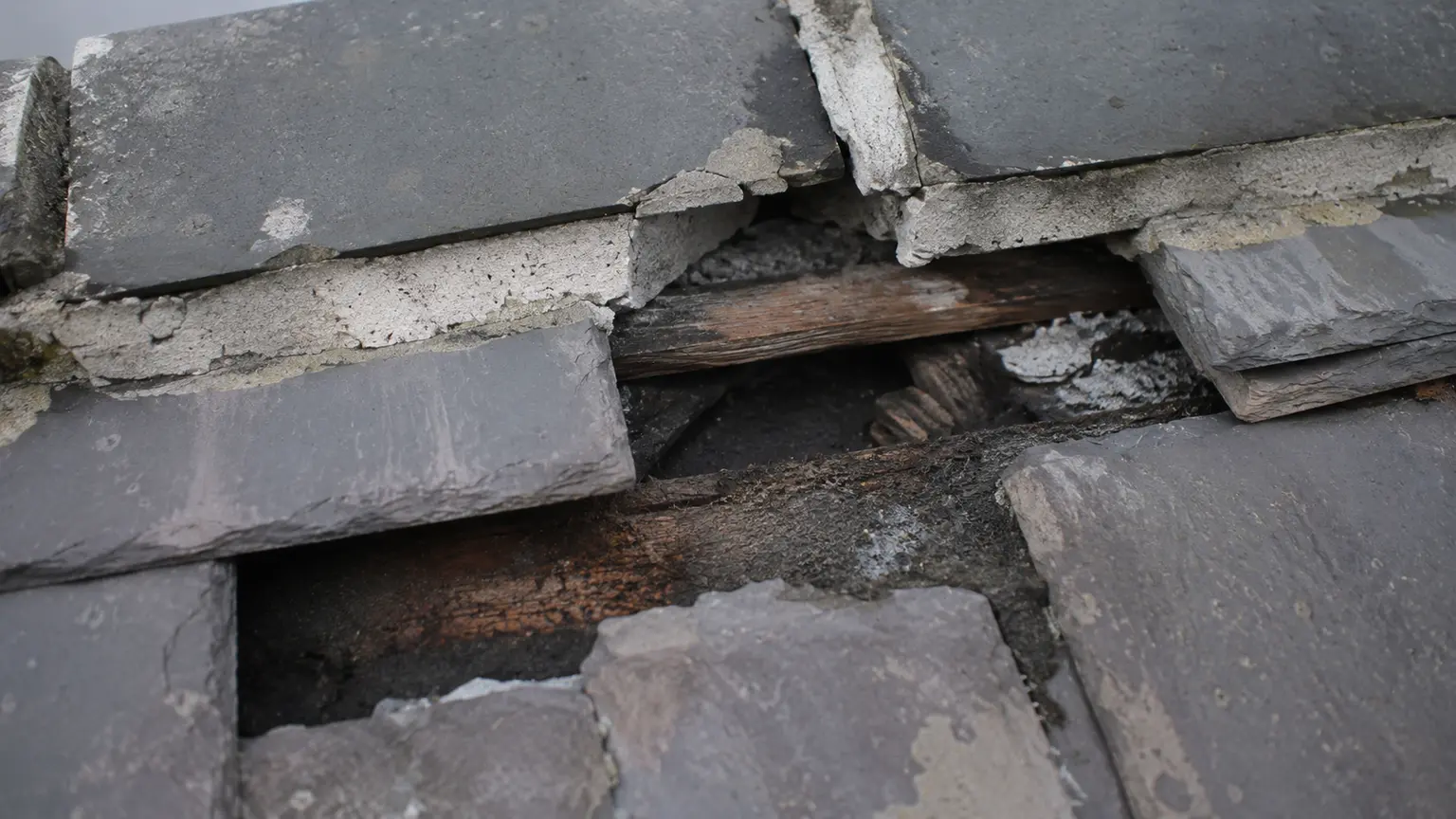
- Flashing failing everywhere at once. Lead or mortar around chimneys, valleys and abutments does not usually give up in one place only. When it is cracked and lifting across the roof, the roof has aged as a whole.
Do not talk yourself into a new roof over a single fault, and do not talk yourself out of one when the signs are stacking up. If three or more of the above are present on a roof over roughly forty years old, replacement is usually the honest call.
How Long a Roof Lasts in Ireland
How often you need a new roof depends almost entirely on what it is made of. Ireland's damp, windy climate is hard on roofs, and Dublin's older housing stock carries roofs of every vintage. Knowing the typical lifespan of your covering is the fastest way to gauge whether age alone is working against you.
Typical lifespans by roof type
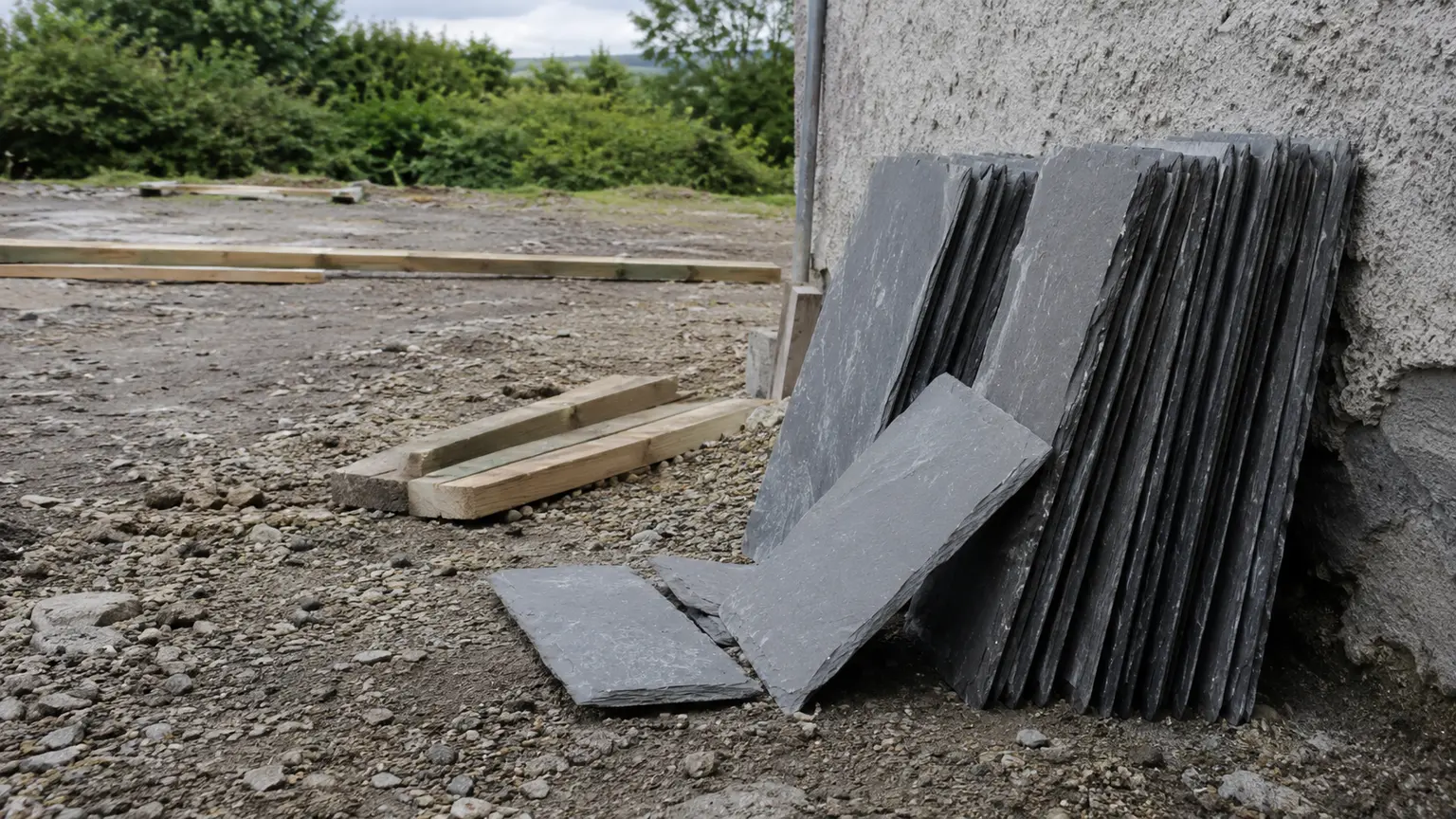
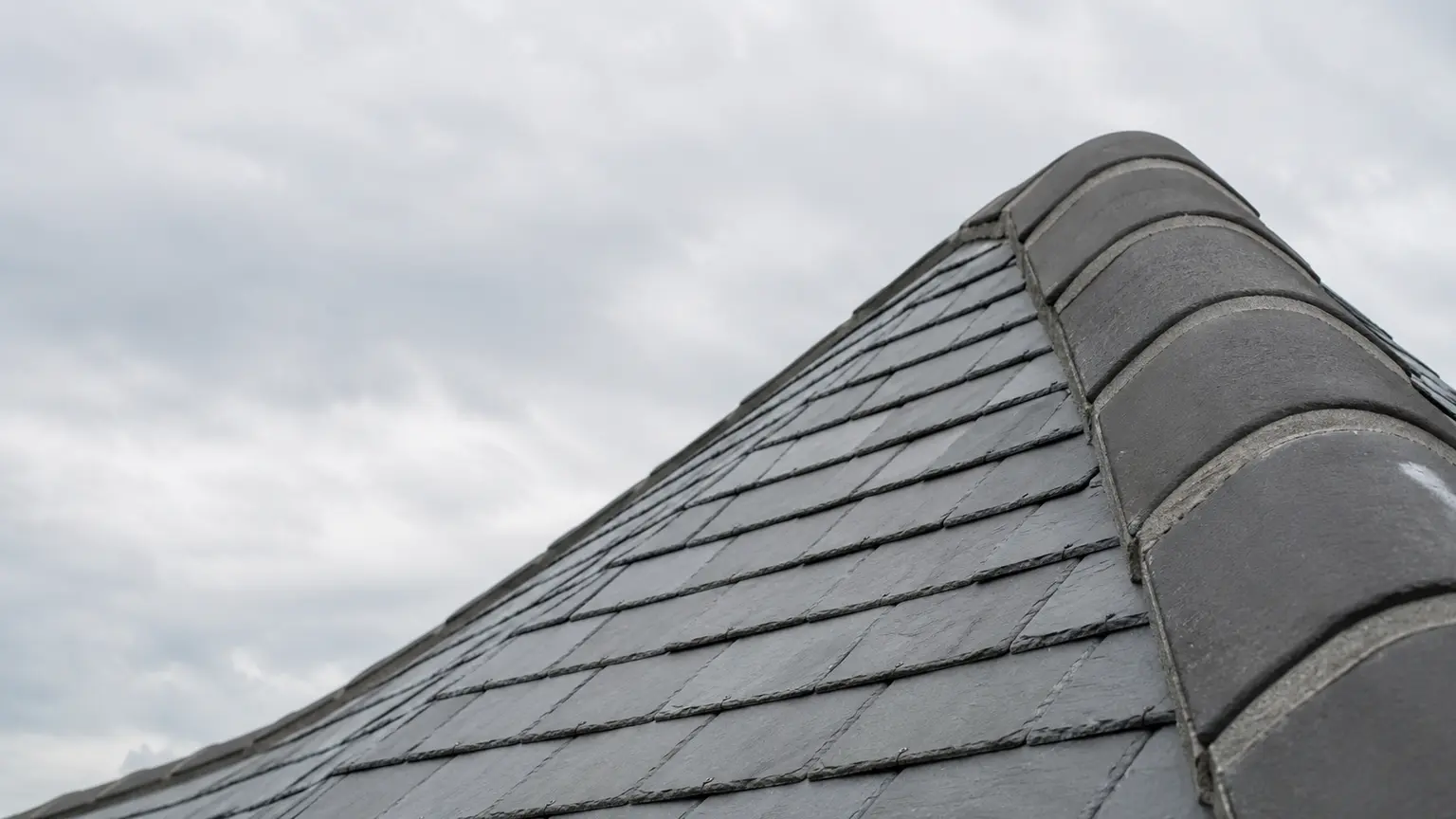
- Natural slate: the longest-lived covering, often lasting a century or more. On many period Dublin homes the slate outlives the nails and battens holding it, so the roof can need stripping and re-laying while much of the slate itself is still sound.
- Concrete or clay tiles: commonly good for several decades, with clay generally outlasting concrete. Colour fade and surface crazing are the usual signs of age.
- Felt flat roofs: the shortest-lived, typically needing replacement well within a couple of decades, sooner if ponding water was never dealt with.
- Modern flat-roof membranes such as EPDM and single-ply: a long step up on old felt, often lasting decades when detailed and laid properly.
Age is a guide, not a verdict. A well-maintained roof can outlast its typical span, while a neglected one can fail early. What matters is age combined with condition. A forty-year-old tiled roof that is watertight and losing the odd tile is a maintenance job. The same roof shedding tiles across every slope, with daylight in the attic, has run its course.
A coastal or hilltop roof takes far more punishment from wind and driving rain than a sheltered mid-terrace. Two roofs of the same age and material can be in very different states purely because of where they sit.
Repair Versus Replace: Making the Call
Repair versus replace is the question behind almost every roofing worry, and the answer is not always the dramatic one. A good roofer will always tell you when a repair will genuinely see you right, because trust is worth more than a bigger invoice. The decision usually turns on three things: the age of the roof, how widespread the damage is, and whether the timbers underneath are sound.
When a repair is the right answer
- The damage is contained to one area, such as slates lost from a single slope after a storm.
- The roof is otherwise sound and not near the end of its natural life.
- The leak has an obvious, single cause, such as cracked flashing at one chimney or a blocked valley.
- The timbers and battens are dry and solid where the roofer can see them.
When replacement is the honest call
- Faults are showing across the whole roof, not in one patch.
- The roof is already at or beyond the typical lifespan for its material.
- You are paying for repeat repairs that never quite hold, and the running total is creeping towards the cost of doing it once, properly.
- There is sagging, rot or daylight, which point to problems in the structure rather than just the surface.
There is a tipping point where repairs stop making sense. If you have paid for the same roof to be patched three winters running, and each fix buys you less time than the last, you are renting a failing roof rather than fixing it. At that stage a re-roof, laid once and guaranteed, is usually the cheaper choice over any sensible timescale. Our re-roofing work carries a 20-year guarantee, which is the sort of commitment nobody makes on a patch.
Do I Need a New Roof to Sell My House?
Whether you need a new roof to sell your house depends on the roof's condition, not on selling in itself. You are not obliged to hand over a brand-new roof to a buyer. What you cannot do is hide a failing one. A surveyor acting for the buyer will get up close, and a roof in visibly poor shape will show up in the report and come straight back at you in the negotiation.
In practice a sound roof that is simply older is rarely a dealbreaker, as long as it is watertight and presentable. A roof with obvious slippage, staining, sagging or damp coming through ceilings is a different matter. Buyers see risk and price it in, usually asking for far more off the sale price than the actual repair would have cost you to sort in advance.
- If the roof is sound but tired, a clean-up, a moss treatment and a handful of replacement slates often present it far better without the cost of a full replacement.
- If the roof is genuinely failing, getting an honest inspection before you list lets you decide whether to fix it or price the house accordingly, rather than being ambushed mid-sale.
- A recent re-roof with a guarantee behind it is a genuine selling point, and worth mentioning in the listing.
A free inspection before you go to market tells you exactly what a buyer's surveyor will find, so nothing about your roof takes you by surprise during the sale.
Is My Roof Sagging, and Should I Worry?
A sagging roof is one of the few signs that always deserves a closer look, because it points below the surface to the timbers doing the load-bearing. A little unevenness on a very old roof is common and often harmless. A ridge that dips in the middle, a slope that bellies outward, or a line that has clearly moved since you bought the house is worth investigating without delay.
What causes a roof to sag
- Rot in the rafters or ridge board, usually from a long-running leak that was never traced.
- Undersized or overloaded timbers, sometimes from a heavier covering being laid over an older roof structure.
- Failed or missing structural support after past alterations in the loft.
- Water-damaged battens and decking that no longer hold the covering flat.
Sagging does not automatically mean a full new roof. Sometimes a section of timber can be repaired or reinforced and the covering re-laid over it. What it does mean is that you should not paper over it with a surface repair, because the movement will only continue. This is exactly the sort of thing a proper inspection settles quickly, by getting into the attic to see whether the structure is dry and sound or wet and moving.
What a Re-Roof Actually Involves
A re-roof is a bigger job than a repair, but it is a well-worn process, not a mystery. Knowing the shape of it helps you understand what you are paying for and spot a quote that skips important steps. Our new roofs and re-roofing work follows the same sequence on a period terrace in Rathmines as on a semi in Clontarf, scaled to the roof in front of us.
- Inspection and quote. The roof is assessed inside and out, the structure checked, and you get a written quote setting out the covering, the work and the guarantee before anything begins.
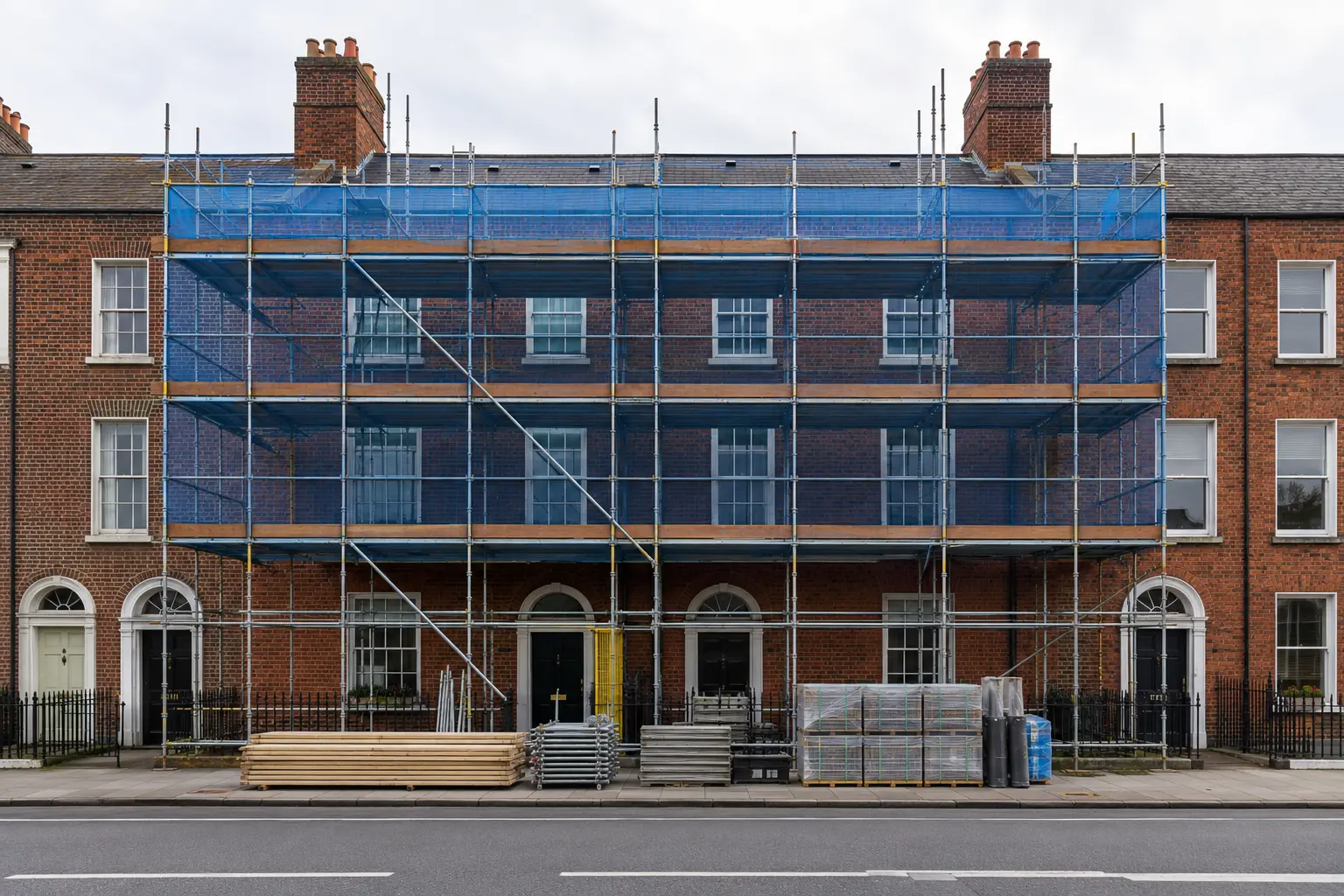
- Scaffolding and protection. Safe access goes up and the areas below are protected, so the work is done properly and tidily rather than off ladders.
- Stripping the old covering. Slates or tiles come off, along with the old felt and battens, so the roof structure is fully exposed and can be seen.
- Repairing the structure. Any rotten or damaged timbers, battens or decking are put right at this stage, while everything is open and accessible.
- New underlay and battens. A breathable membrane and fresh treated battens are laid to the correct spacing for the new covering.
- Re-covering and detailing. The new slates or tiles go on, with fresh lead flashing at chimneys and valleys and the ridge properly bedded or mechanically fixed.
- Clean-up and sign-off. Scaffolding comes down, the site is cleared, and the finished roof is left watertight and backed by the guarantee.
What a re-roof costs depends on the size and pitch of the roof, the covering you choose, how much structural repair is needed once it is stripped, and access. Those factors are why an honest roofer looks at the roof before quoting rather than pricing over the phone. A written quote after a proper inspection is the only figure worth trusting. If a leak is what started all this, our guide on what to do when your roof is leaking is a sensible next read.
How to Get a Straight Answer on Your Roof
The fastest way to stop wondering "do I need a new roof" is to have someone competent look at it, from the attic as well as the outside, and tell you plainly. A trustworthy roofer will happily tell you when a repair is all you need, because a fair answer today is what earns the bigger job down the line. Be wary of anyone who condemns a roof from the footpath, or quotes a full replacement without ever going up to see it.
- Ask for the inspection to include the attic, so the timbers and any leaks are checked from below as well as above.
- Ask for the recommendation in writing, with the reason behind it, whether that is a repair or a replacement.
- Ask what guarantee comes with the work, and get it in the quote rather than in conversation.
- Check that the roofer is fully insured before anyone goes up on your roof.
As a family-run Dublin roofing firm working across the city since 1989, over 35 years, we give a free roof inspection and a free written quote, with a 5.0 rating from 41 Google reviews behind the way we do it. If you are still wondering do I need a new roof, or whether an honest repair will see you right, book a free inspection and get a straight answer before you spend anything. Our re-roofing work is fully insured and carries a 20-year guarantee, and if a roof lets go out of hours our 24/7 emergency service is there to make it safe.